
Weed Control
The use of herbicides to control weeds is often important in determining the success or failure of a crop. However, many other practices can be implemented before and after a herbicide application to help reduce weed competition. The use of these practices is termed Integrated Weed Management.
Integrated Weed Management
A farming system that uses an array of inter-dependent cultural, biological, mechanical and herbicidal weed control practices is implementing Integrated Weed Management (IWM). It is essential that IWM involve a variety of tools including the rotation and/or mixes of available herbicide groups, ensuring that weeds are exposed to a diverse range of control mechanisms. The goal of IWM is to improve the health and vigour of crops so that they may out-compete weeds emerging in the stand. This helps to reduce selection for resistance to any single control agent and to delay or prevent the development of herbicide resistant weeds.
Practicing IWM does not mean abandoning chemical weed control, just relying on it less exclusively. For example:
- You may decide to choose a taller wheat variety or a tall, viny pea variety for a certain field. These crop selections will compete strongly with weeds, possibly allowing you to skip a spray operation in more competitive crops.
- You could insert a short-term forage crop into your crop rotation. Studies show that short-term (3 year) alfalfa stands can reduce wild oat and green foxtail populations by up to 80 percent the year after terminating the forage crop.
- Early sown barley may give you enough of a “jump” on the weeds that you can avoid herbicide applications.
- Use of vigorous, high-quality seed, sown shallow, can give you better crop competition than poor-quality or deeply sown crop seed.
- Banding nitrogen near the seed-row can give your crop an advantage over weeds, whereas broadcasting fertilizer benefits both crop and weed equally.
For more information, refer to “Integrated Weed Management: Making it Work on Your Farm” factsheet, available from Manitoba Agriculture and Resource Development.
Making Spray Decisions
Field Scouting
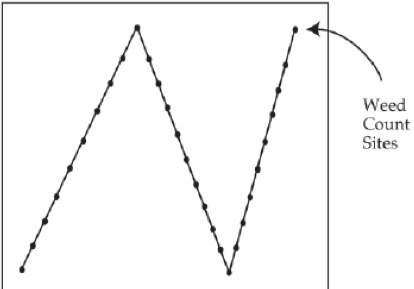
Field scouting is an important tool for making informed spray decisions. Accurately assessing the type and number of weeds in the field will help you determine if a spray operation is necessary. The scouting pattern diagram on this page provides a guideline for scouting a field. The entire field should be walked to get a feel for the distribution and species of the weeds present. A minimum of 20 weed counts should be taken across the field. A smaller number may be used, but be aware that accuracy decreases as the number of counts gets smaller. Count the number of weeds in a 1 m2 or a 0.25 m2 area and divide the total number of weeds by the number of counts taken to obtain an average for the field. If using 0.25 m2 samples, make sure to multiply by four so your average is for a 1 m2 area.
Some weeds are not distributed uniformly and may be found in patches (for example, Canada thistle) or in low spots. As well, the type and number of weeds found along the field edges may be very different from those found inside the field. These areas should be considered separate from the rest of the field. If possible, patches, low spots, and field borders should be treated separately, as field-wide spraying may not be required. Look out for new invading weeds and patches of herbicide-resistant weeds. Herbicide-resistant weeds and new invaders should be removed (manually if necessary), regardless of their number, to prevent them from spreading and becoming a serious control problem. Mapping your field’s weed problems will allow you to monitor the spread of weed patches over time and help you assess the effectiveness of your control program.
Yield Losses Caused by Weeds
Knowing the amount of crop yield loss caused by a given weed density will help you decide if a spray operation is required. The tables on the following pages give an indication of the yield loss caused by some of the important grassy weeds.
THE FOLLOWING TABLES SHOULD BE USED ONLY AS A GUIDE.
The figures are based on Western Canadian research trials and will not be accurate all of the time. The yield loss values apply only to healthy, well fertilized crops with good stand establishment. Crops that are diseased or emerged unevenly will not compete well with weeds and will suffer larger yield losses than indicated in these tables. The yield loss figures are based on competition from a single weed species only. Other weeds, such as wild mustard or Canada thistle, must be controlled if the figures are to be accurate. As well, the tables are based on competition from normal height crops. Semi-dwarf or hybrid varieties may not compete as well with weeds and the figures may not be accurate in these cases.
Table 1. Yield Losses (Percent) in Wheat Caused by Wild Oats.
| Wild Oat Density | Number Per Square Metre | ||||||||||||||||
|---|---|---|---|---|---|---|---|---|---|---|---|---|---|---|---|---|---|
| 1 | 2 | 4 | 6 | 8 | 10 | 12 | 14 | 16 | 18 | 20 | 25 | 30 | 35 | 40 | 45 | 50 | |
|
Wild Oats are 1 Leaf Stage Ahead of the Crop |
1 |
2 |
4 |
6 |
8 |
10 |
12 |
14 |
15 |
17 |
19 |
22 |
26 |
29 |
32 |
34 |
37 |
|
Wild Oats are the Same Leaf Stage as the Crop |
1 |
1 |
2 |
4 |
5 |
6 |
7 |
8 |
9 |
10 |
11 |
14 |
16 |
18 |
20 |
22 |
24 |
|
Wild Oats are 1 Leaf Stage Behind the Crop |
0 |
1 |
1 |
2 |
3 |
3 |
4 |
5 |
5 |
6 |
7 |
8 |
10 |
11 |
13 |
14 |
15 |
Source: O’Donovan, Alberta Environmental Centre (Vegreville, Alberta)
Figure 1. Spray Decision Guideline for Wild Oats in Wheat.
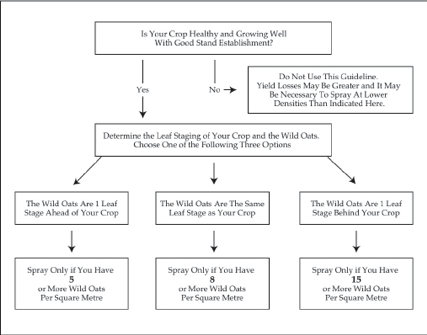
Table 2. Yield losses (percent) in wheat caused by green foxtail (wild millet).
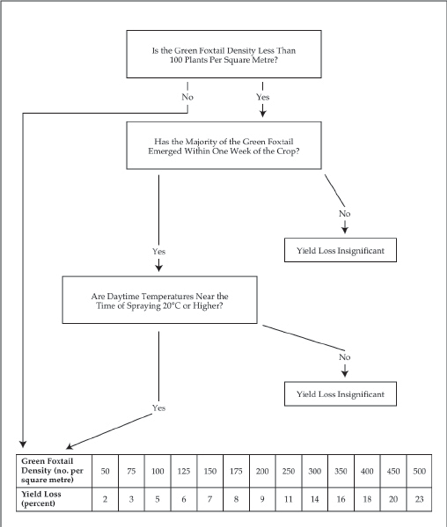
Table 3. Yield Losses (Percent) in Barley Caused by Wild Oats.
| Crop Density (plants/m2) | Relative Emergence | Wild Oat Density (plants/m2) | |||||||||||
|---|---|---|---|---|---|---|---|---|---|---|---|---|---|
|
1 |
5 |
10 |
15 |
20 |
25 |
30 |
40 |
50 |
70 |
100 |
150 |
||
|
300 |
Wild Oats are 1 Leaf Stage Ahead of the Crop |
0.3 |
1.4 |
2.8 |
4.1 |
5.4 |
6.7 |
8.0 |
10.3 |
12.6 |
16.8 |
22.4 |
30.2 |
|
Wild Oats are the Same Leaf Stage as the Crop |
0.3 |
1.3 |
2.5 |
3.7 |
4.8 |
6.0 |
7.1 |
9.2 |
11.3 |
15.1 |
20.3 |
27.6 |
|
|
Wild Oats are 1 Leaf Stage Behind the Crop |
0.2 |
0.9 |
1.7 |
2.6 |
3.4 |
4.2 |
5.0 |
6.6 |
8.1 |
11.0 |
15.0 |
20.9 |
|
|
225 |
Wild Oats are 1 Leaf Stage Ahead of the Crop |
0.4 |
1.9 |
3.6 |
5.4 |
7.0 |
8.6 |
10.2 |
13.1 |
15.9 |
20.9 |
27.4 |
36.2 |
|
Wild Oats are the Same Leaf Stage as the Crop |
0.3 |
1.6 |
3.1 |
4.6 |
6.1 |
7.5 |
8.8 |
11.4 |
13.9 |
18.4 |
24.4 |
32.6 |
|
|
Wild Oats are 1 Leaf Stage Behind the Crop |
0.2 |
1.0 |
2.0 |
3.0 |
4.0 |
4.9 |
5.8 |
7.6 |
9.3 |
12.6 |
17.1 |
23.6 |
|
|
175 |
Wild Oats are 1 Leaf Stage Ahead of the Crop |
0.5 |
2.3 |
4.6 |
6.7 |
8.7 |
10.7 |
12.5 |
16.1 |
19.3 |
25.1 |
32.3 |
41.8 |
|
Wild Oats are the Same Leaf Stage as the Crop |
0.4 |
1.9 |
3.8 |
5.6 |
7.3 |
8.9 |
10.5 |
13.6 |
16.4 |
21.6 |
28.2 |
37.1 |
|
|
Wild Oats are 1 Leaf Stage Behind the Crop |
0.2 |
1.1 |
2.3 |
3.4 |
4.4 |
5.5 |
6.5 |
8.5 |
10.4 |
14.0 |
18.9 |
25.9 |
|
Table 4. Yield losses (percent) in barley caused by Green Foxtail (Wild Millet).
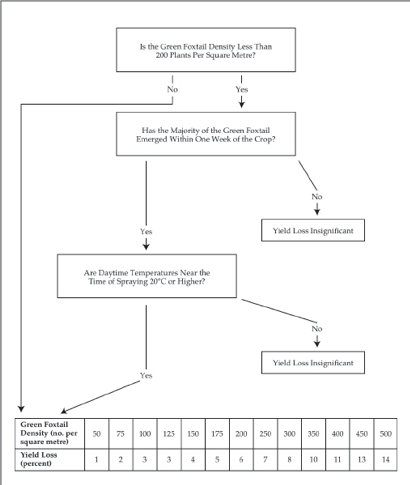
Table 5. Yield Losses (Percent) in Canola Caused by Wild Oats and Volunteer Cereals.
| Weed Density – Number Per Square Metre | |||||||||||||
|---|---|---|---|---|---|---|---|---|---|---|---|---|---|
| 1 | 2 | 4 | 6 | 8 | 10 | 12 | 14 | 16 | 18 | 20 | 25 | 30 | |
|
Wild Oats |
3 |
5 |
6 |
8 |
9 |
10 |
11 |
12 |
13 |
14 |
15 |
16 |
18 |
|
Volunteer Wheat |
1 |
3 |
6 |
8 |
10 |
11 |
12 |
14 |
15 |
16 |
17 |
19 |
21 |
|
Volunteer Barley |
3 |
5 |
8 |
10 |
12 |
14 |
15 |
17 |
18 |
19 |
20 |
23 |
25 |
Sources: Dew and Keys, Agriculture Canada (Lacombe, Alberta); and O’Donovan, Alberta Environmental Centre (Vegreville, Alberta)
Figure 2. Spray Decision Guideline for Wild Oats and Volunteer Cereals in Canola.
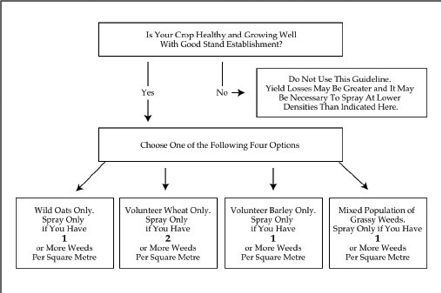
Table 6. Yield Losses (Percent) in Canola Caused by Green Foxtail (Wild Millet).
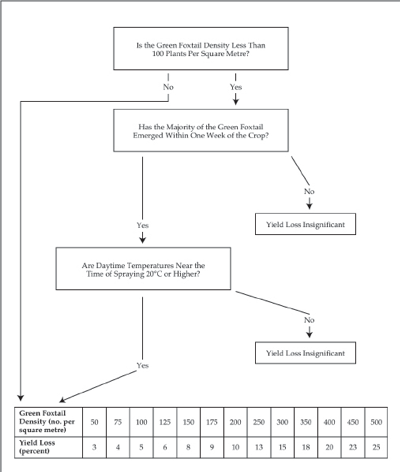
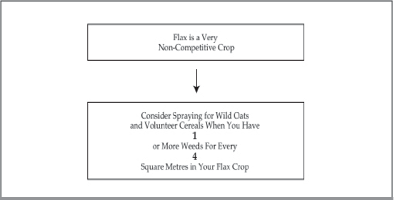
Table 7. Yield Losses (Percent) in Flax Caused by Wild Oats and Volunteer Cereals.
| Weed Density – Number Per Square Metre | ||||||||||||
|---|---|---|---|---|---|---|---|---|---|---|---|---|
| 1 | 2 | 3 | 4 | 5 | 6 | 7 | 8 | 9 | 10 | |||
|
Wild Oat |
6 |
8 |
10 |
12 |
13 |
15 |
16 |
17 |
18 |
19 | ||
|
Volunteer Wheat |
6 |
11 |
15 |
18 |
22 |
24 |
27 |
29 |
31 |
33 | ||
|
Volunteer Barley |
6 |
12 |
16 |
21 |
24 |
28 |
31 |
34 |
36 |
39 | ||
Sources: Dew and Keys, Agriculture Canada (Lacombe, Alberta); and Friesen et al., University of Manitoba (Winnipeg, Manitoba)
Figure 3. Spray Decision Guideline for Wild Oats and Volunteer Cereals in Flax.
Deciding to Spray – Economic Thresholds and Herbicide Resistance
An economic threshold is the level of infestation at which lost yield exceeds the cost of the chemical and its application. Determining the economic threshold will help you decide if a spray operation is necessary.
The following example outlines how to determine an economic threshold:
You have a wild oat problem in your wheat. After a thorough field scouting, you have determined that your field has an average density of 35 wild oats per square metre. You know that the crop and weeds are at the same leaf stage. Using Table 1, choose the “Same Leaf Stage” row and read across to 35 wild oats per square metre. You will find that your yield loss will be about 18 percent.
You think it could be a 60 bushel per acre wheat crop, and expect to get $6 per bushel for it. Therefore:
- 60 bushels x 0.18 (percent of expected yield loss) = 10.8 bushels per acre of lost yield
- 10.8 bushels x $6 per bushel = $64.80 per acre of lost income
Now find out the price of your herbicide. Most wild oat herbicides for wheat cost between $10 to $25 per acre. In this case, lost income exceeds the cost of the herbicide and application, so spraying would be justified.
Alternatively, you may want to use the figures provided with some of the yield loss tables. These figures provide flowcharts to assist you in making spray decisions. In some cases the flowcharts may indicate to spray when you do not have an economic threshold weed density, but most times they will prevent you from spraying unnecessarily.
Another factor to consider when deciding whether to spray is your herbicide rotation. A minimum one-in-three rotation of herbicide groups is currently recommended to delay the development of herbicide resistance for weeds such as wild oats and green foxtail. Skipping a spray operation will give you an extra year of flexibility in your herbicide rotation. This means that you have one extra herbicide group to choose from the year after you skipped the spray operation. When making spray decisions, the ability to rotate herbicides should be considered in addition to the economics of spraying.
Making the Spray Decision
Remember that economic thresholds should be used only as guides when making a spray decision. Lost income caused by dockage or downgrading must also be considered. FIELDS THAT ARE NOT SPRAYED THIS YEAR HAVE A HIGHER POTENTIAL FOR PROBLEMS THE FOLLOWING YEAR BECAUSE OF WEED SEED RETURN. A farmer’s experience and common sense play an important role when deciding to spray. Used properly, however, the economic threshold can be an important tool in making spray decisions.
How Do Herbicides Work?
There are several ways to define how herbicide work:
Timing (may apply to crop and/or weed and may be one timing for the crop and another for the weed):
- PPI (Pre-Plant Incorporated): the product is applied to the soil and worked in with a tillage implement prior to seeding. The product remains effective in the soil for one to several weeks, preventing weeds from emerging within the crop.
- PRE (Pre-Emergent Surface): the product is applied to the soil surface and relies on rainfall to move it into the emergence zone of target weeds in the soil. The product remains effective in the soil for one to several weeks, preventing weeds from emerging within the crop. Products may allow application in the fall or in the spring prior to seeding or following seeding up until the emergence of the crop and target weeds.
- POST (post-emergent foliar): the product is applied at the seedling stage of the weed and/or the crop. Early applications are usually the most beneficial to crop yield because of the removal of competition by the target weed at the crop’s most vulnerable stage.
- Pre-harvest: applied prior to the harvest of the crop to address weeds growing in mature.
Target:
- Cell membrane disruptor: causes the plant cells to produce compounds that attack the intregrity of the cell membrane. Result is the spilling of cell contents into the environment and rapid drying of affected tissues.
- Inhibitor of essential growth component (amino acids, lipids): blocks the production of essential building blocks for plant growth and maintenance. Target weeds stop growing and display a loss of green colour, typically in new growth first and then in older tissues as plants need to repair their tissues after environmental damage.
- Pigment inhibitor: new tissues produced after exposure to the herbicide develop without colour (white). Some tissues may display red or purple tinges as a result of the presence of stress compounds called anthocyanins.
- Plant hormone mimic/Hormone transport inhibitor: the herbicide produces the same response in plants as the natural hormone but susceptible plants are unable to break down these compounds as they would natural hormones. Results in unregulated growth of the plant cells causing distorted growth and a proliferation of non- functional tissue in the stem/root, blocking water flow to plant shoots. Transport inhibitors concentrate both natural and synthetic hormones in the tissues where they were produced, causing distorted growth.
- Seedling Root inhibitor: stops roots growth of susceptible weeds. Susceptible weeds fail to emerge from treated soil.
- Seedling Shoot inhibitor: stops shoot growth in susceptible weeds. Susceptible weeds fail to emerge from treated soil.
- Unknown: the target of the herbicide is not known.
Movement:
- Little to no plant movement: typically soil active products. Does not move from the point where it enters the plant, or only by diffusion.
- Apoplastic Movement: xylem-mobile; moves passively within free space and cell walls, upward through the transpiration stream (with water). Foliar applied products are relatively immobile. Soil active products are taken up by the root and transported to the upper portions of the plant.
- Symplastic Movement: phloem-mobile – enters the cell where it is actively moved within the plant to areas of rapid growth along with other nutrients and sugars.
Spectrum:
- Non-selective: controls or injures most plants, except for those crops that have been bred to tolerate the herbicide.
- Selective: controls weeds within a crop. Specific herbicides may be specific to control of the following weed types
- Broadleaf
- Grass
Biochemistry:
- The “Group” numbering system, developed by Weed Science Society of America (WSSA), and was adopted by the Pest Management Regulatory Agency of Health Canada for use on Canadian labels.
- This system uses the herbicide’s chemistry to summarize their general Mode of Action on weeds. There are also sub-divisions with in these Groups (see Table 8 on page 45) that may have differing resistance patterns.
- All herbicides within a Group share a common mode of action and resistance mechanism.
- Herbicides within a Group may have different basic chemical structures. The difference in these basic structures are captured by the sub-group.
- In general, weeds resistant to one herbicide within a Group (or sub-group where they are available) will be resistant to all herbicides within the Group/sub-group. There are exceptions to this rule. Cross resistant between sub-groups within a Group is common.
- Resistance management strategies are required wherever resistance is known or there is a risk of resistance development.
- Heavy reliance on herbicides without the integration of other non-herbicide management practices raises the risk of resistance evolution greatly.
After applying a herbicide, fields can be scouted to determine the effectiveness of the treatment. The symptoms of different herbicide groups, and the approximate time it takes to develop these symptoms, are listed in the following table. Weed patches that are not affected should be noted and checked, as they may be herbicide resistant. Note that symptoms may take longer to develop when conditions are not conducive to rapid plant growth.
The following table gives a brief description of symptoms that may be exhibited if plants are injured by a herbicide. The symptoms of each group are addressed for both foliar and soil exposures.
Table 9. The Mode of Action, Site of Uptake and Symptoms of Different Herbicide Groups
|
Herbicide Group |
Mode of Action |
Site of Uptake |
Weed symptoms/timing |
|
|---|---|---|---|---|
|
Grass weeds |
Broadleaf weeds |
|||
|
1 |
Systemic |
Foliar |
Reduced growth, yellowing of growing point in 1 to 3 weeks. Newest leaf of affected plant pulls out easily in 3 to 5 days. |
Tolerant |
|
2 |
Systemic |
Foliar/Soil |
Newest leaves yellowed in 3 to 10 days, dead in 1 to 3 weeks. |
Newest growth discolored (red/yellow/ purple) and/or miniaturized; the whole plant is involved in 1 to 3 weeks. |
|
3 |
Systemic |
Soil |
Reduced emergence, poor root development of emerged plants. Roots often swollen/stunted and root tips darkened. |
Reduced emergence, poor root development of emerged plants. |
|
4 |
Systemic |
Foliar |
Tolerant to moderate rates. High rates cause symptoms similar to drought. Improper timing may cause kernel abortion in cereal crops. |
Abnormal growth (twisted stems, cupped leaves) in 2 to 10 days. |
|
5 |
Systemic |
Soil |
Wilted and yellowed oldest leaves beginning at leaf margins, death in 7 to 10 days. |
|
|
Contact |
Foliar |
Yellowed oldest leaves, death within days. |
Yellowed/bleached oldest leaves where spray contacts, death within days. |
|
|
6 |
Contact |
Foliar |
Some leaf tip burn or white tissues possible. |
Yellowed leaves in 2 to 4 days, death in 1 to 2 weeks. |
|
7 |
Systemic |
Soil |
Yellowed and stunted plants, death in 10 to 14 days. |
|
|
Contact |
Foliar |
Interveinal yellowing of oldest leaves, death within days. |
||
|
8 |
Contact |
Foliar |
Yellowed leaves in 3 to 7 days, stunted plants. |
Tolerant |
|
Systemic |
Soil |
Reduced emergence, emerged leaves dark green/blue. |
||
|
9 |
Systemic |
Foliar |
Wilted, yellowed leaves in 7 to 10 days. Newest growth is impacted first followed by the rest of the plant. |
|
|
10 |
Contact |
Foliar |
Wilted, bleached leaves in 3 to 5 days, death in 1 to 2 weeks. |
|
|
11 |
Systemic |
Foliar |
Plants wilted in 2 to 3 days, bleached and purpling leaves in 1 to 2 weeks. |
Plants wilted in 2 to 3 days, bleached leaves in 1 to 2 weeks. Perennial plants die slowly. |
|
13 |
Systemic |
Soil |
Bleached leaves, susceptible seedlings die shortly after emergence. |
|
|
14 |
Contact |
Foliar |
Some leaf burn at contact points or leaf edges. |
Leaves yellowed and desiccated in 1 to 3 days. (Post-emergence applications) |
|
Systemic |
Soil |
Bleaching and yellowing, death prior to or shortly following emergence |
||
|
15 |
Systemic |
Soil |
Reduced emergence, emerged plants stunted. |
|
|
19 |
Systemic |
Foliar |
Twisting of older leaves, new leaves fail to expand, plant death in 2 to 4 weeks. |
|
|
22 |
Contact |
Foliar |
Leaves wilted within hours, desiccated in 1 to 3 days. |
Leaves wilted in 1 to 3 days, desiccated and dead in 3 to 7 days. |
|
26 (grass weeds only) |
Systemic |
Foliar |
Immediate cessation of growth, rapid desiccation of new leaves and purpling and yellowing of older tissues. |
See Group 4. |
|
27 |
Systemic |
Foliar |
Some bleaching and whitening of leaves. |
Leaves bleached and whitened in 2 to 10 days and death in 7 to 10 days. |
Adjuvants and Your Herbicide
Adjuvants are important ingredients in chemical weed control. Many herbicides must be applied with an adjuvant. If it is forgotten, the level of weed control can vary widely, and re- spraying may be necessary.
Many products have adjuvants built into the formulation. Others require adjuvant addition (e.g. Refine SG). Some adjuvants were developed specifically for one herbicide, and these are either pre-packaged with the herbicide, or are identified by name on the label (e.g. Turbocharge for Achieve, Amigo for Select/Centurion). Consult a company representative to determine the support for pesticide adjuvant combinations not listed on the product label.
With some products, adjuvants need to be added only under certain conditions. For example, glyphosate products have built-in adjuvants, but require additional adjuvant when low rates (pre- seeding or chem-fallow), high water volumes, or certain tank mixes are used.
Adjuvants should be added only when required. If one is not required, addition can reduce weed control or injure crops. Product labels will describe when an adjuvant is required, and what type should be used. There are two main classes of adjuvants: “activators or spray modifiers” (including surfactants and crop oils), and “utility modifiers” (including pH adjusters, water conditioners, low-drift adjuvants, and anti-foaming agents). The most important class of adjuvants is the activators. Surfactants, the main group within the activators, are “surface active agents.” These chemicals produce effects at points where two substances touch, such as between two liquids (herbicide and water) or between a solid and a liquid (herbicide and leaf surface). Some surfactants act as dispersing agents, helping to keep a pesticide suspended in water. Others work on the plant, improving the wetting, sticking and penetrating characteristics of the herbicide droplets. Oil-based adjuvants contain petroleum or vegetable oil and an emulsifier that suspends the oil in tiny droplets within the spray solution. Oil-based adjuvants typically assist in herbicide penetration into the leaf.
There are two basic types of surfactants (ionic and non-ionic), of which the non-ionic are most common. The following table lists the surfactants registered for use with herbicides in Western Canada.
Adjuvants and Registered Pesticides:
Note – some products are specific about the concentration of active ingredient in the surfactant for product performance. Check with the product page in this guide or the product label.
| Trade Name | Composition | Adjuvant Type | Registered Pesticides (Adjuvant label only) |
|---|---|---|---|
|
Addit Adjuvant (PCP#29263) |
37% surfactant blend |
Oil-surfactant blend |
Bison |
|
Adigor Adjuvant (PCP#28151) |
48.8% methylated rape seed oil 28.2% ethoxylated alcohols |
Oil-surfactant blend |
Broadband |
|
Agral 90 (PCP#24725), |
90% nonylphenoxy polyethoxy ethanol |
Non-ionic surfactant |
Accent, Altitude FX, Battalion, diquat, Escort, flucarbazone, glyphosate, Muster, Pinnacle, Prism, imazethpyr, metsulfuron, thifensulfuron/tribenuron, Reflex, Reward, Triton K, Ultim (Not all adjuvants may be used with all herbicides listed) |
|
Agral 90 (PCP#11809), IPCO Agsurf Original (PCP#15881), MPower Icon (PCP#28342) |
92% nonylphenoxy polyethoxy ethanol |
||
|
Agsurf II (PCP#30071) |
92% alcohol ethoxylate |
||
|
Amigo Adjuvant (PCP#22644), X-Act (PCP#28225), Patron Adjuvant (PCP#32496), MPower Empire (PCP#33380), Surf-Act (PCP#32313) |
30% phosphate ester surfactant |
Anionic surfactant and acidifier/water conditioner |
clethodim†* |
|
Assist Oil Concentrate (PCP#16937), CropOil 83/17 Adjuvant (PCP#30978), XA Oil Concentrate (PCP#11769), Score Adjuvant Liquid (PCP#12200), Chem Spray (PCP#29712) |
83% paraffin based mineral oil 17% surfactant blend |
Oil-surfactant blend |
AAtrex, Basagran (all crops), Ultra Blazer, clodinafop†*, clodinafop + bromoxynil/ MCPA ester†*, Impact, quizalofop (Contender, Yuma GL), Simplicity (Not all adjuvants may be used with all herbicides listed) |
|
Citowett Plus Adjuvant (PCP#12766), Super Spreader (PCP#17402) |
50% octylphenoxypolyethoxy ethanol |
Non-ionic surfactant |
Accent, AAtrex, Basagran (peas), Escort, flucarbazone, metsulfuron, Muster, Pinnacle, Prism, thifensulfuron/ tribenuron, Triton K, Ultim |
|
Companion Adjuvant (PCP#15882) |
70% octylphenoxypolyethoxy-(9)- ethanol |
Non-ionic surfactant |
Glyphosate, metsulfuron, Muster |
|
Enhance (PCP#29270), Nufarm Enhance (PCP#29952), ADAMA Adjuvant 80 (PCP#30419) |
80% triglyceride ethoxylate 10 POE |
Non-ionic surfactant |
Accent, diquat, Escort, Folicur 432, glyphosate, Gramoxone, Lontrel, Muster, Pinnacle, Prism, imazethapyr, metsulfuron, thifensulfuron/ tribenuron, Signal, Signal FSU, Reflex, Reglone, Reward, Ultim, Valtera |
|
Hasten Spray Adjuvant (PCP#27420) |
73.3% methyl and ethyl oleate (esterified vegetable oil) |
Methylated Seed Oil |
Impact |
|
HiActivate Non-Ionic Liquid Spreader Activator (PCP#31817) |
900 g/L alkylarylpolyoxyethylene glycols, free fatty acids & isopropyl alcohol |
Non-ionic surfactant |
Accent, Assure, Ally, Pursuit, Ultim |
|
Intake Adjuvant (PCP#31243) |
586 g/L parrafinic oil 242 g/L alkoxylated alcohol non-ionic surfactants |
Oil-surfactant blend |
Tralkoxydim (Liquid Achieve, Marengo), Simplicity, Tandem, Refine SG, Ally, Reclaim II, Escort |
|
LI 700 (PCP#23026) |
80% surfactant blend |
Non-ionic surfactant, Water Modifier, Drift Retardant |
Diquat, flucarbazone, glyphosate, Fulfill insecticide, quizalofop (Assure II) |
|
Liberate Adjuvant (PCP#29491) |
100% lecithin, methyl esters of fatty acids and alcohol ethoxylate |
Methylated Seed Oil, Water Modifier, Drift Retardant, Sticker |
Flucarbazone, Pursuit, Reflex, Odyssey, quizalofop (Assure II), thifensulfuron/ tribenuron, tribenuron, metsulfuron (Accurate) |
|
Merge Adjuvant (PCP#24702), MPower Assassin (PCP#33444), Surge (PCP#33339) |
50% surfactant blend 50% solvent (petroleum hydrocarbons) |
Oil-surfactant blend |
Ares*, Heat WG, Heat LQ*, quinclorac, Odyssey, Odyssey Ultra*, Poast Ultra, quizalofop, Solo, Triton C |
|
MSO Concentrate with Leci-Tech (PCP#28385), IPCO Contender MSO Adjuvant with Leci-Tech (PCP#32198) |
70% methylated seed oil of soybean |
Methylated Seed Oil, Drift Retardant |
imazethapyr, Odyssey, Poast Ultra, quizalofop (Contender) |
|
Sure-Mix Surfactant (PCP#25467) |
60% praraffinic petroleum oil 40% surfactant blend |
Oil-surfactant blend |
quizalofop |
|
Turbocharge Adjuvant (PCP#23135), Adjuvant for Nufarm Tralkoxydim (PCP#30828), Carrier (PCP#30639) |
50% mineral oil 39.5% surfactant blend |
Oil-surfactant blend |
Paradigm, tralkoxydim†*, clethodim (Statue only)* |
* The adjuvant is packaged with the product.
† Note: All products may not be registered with all adjuvants. See product page in the following sections to determine which adjuvants are registered for each herbicide.